Can I dive in the Gili Islands with no experience? A beginner's guide
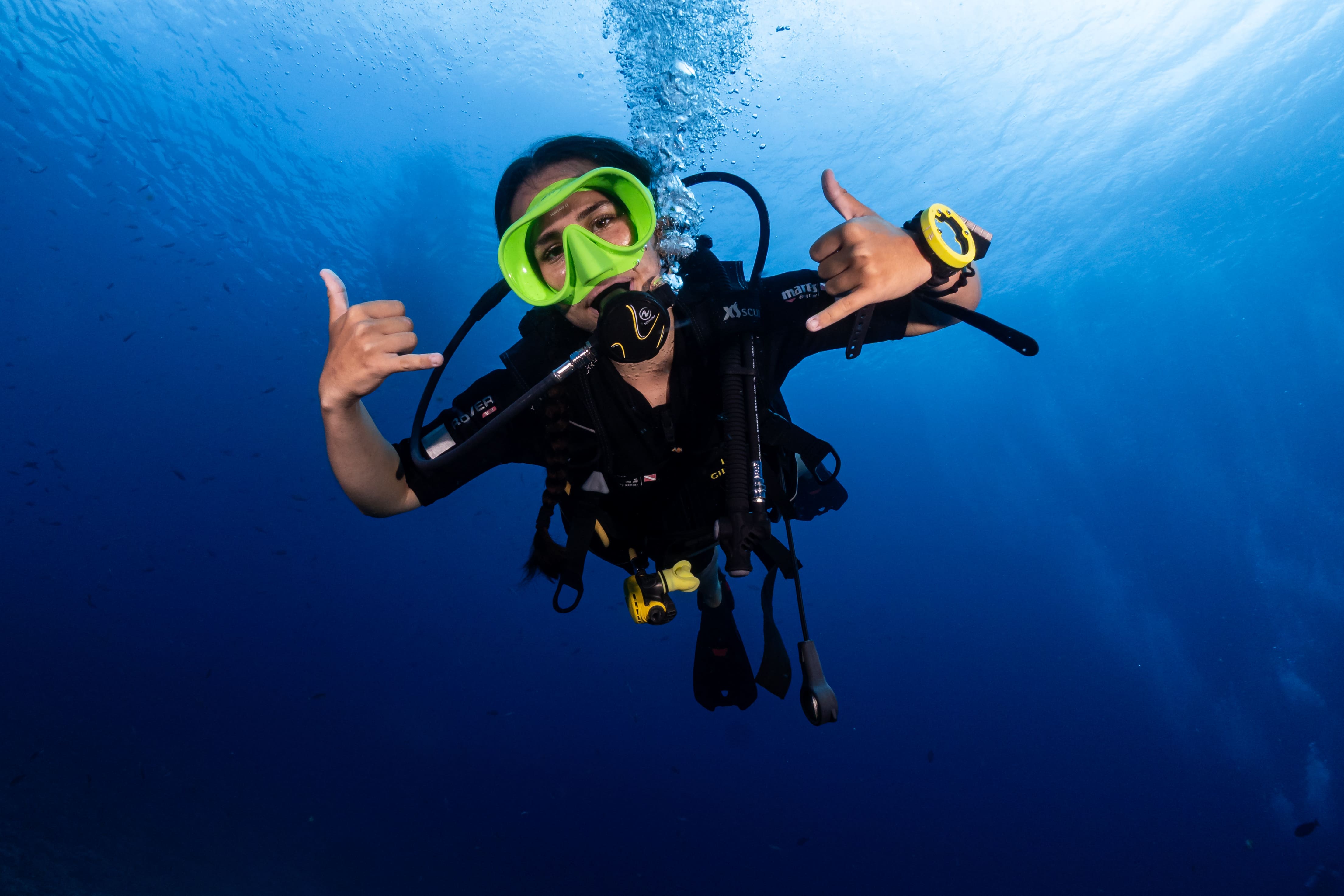
Yes, and the Gili Islands are genuinely one of the more forgiving places in the world to try diving for the first time. Warm water, calm shallow reefs, and near-guaranteed turtle sightings mean complete beginners often leave their first dive already planning to get certified. Here's exactly what that first experience looks like, step by step.
You don't need any experience to try it
If you've never so much as put on a mask and fins, you don't need to commit to a multi-day course to find out if diving is for you. The SSI Try Scuba program is built specifically for this: a single, fully supervised dive with an instructor by your side from the moment you enter the water to the moment you get out.
There's no exam, no certification requirement, and no prior swimming skill beyond basic comfort in water. The instructor handles the equipment briefing, stays within arm's reach for the entire dive, and keeps the dive shallow and unhurried.
Time commitment: Half a day
Depth: Typically under 12 meters
What to expect: Reef fish, likely a turtle sighting, and your first real breaths underwater
What your first day actually looks like
Most first-timers are surprised by how much time is spent on land before the water part even begins. A typical Try Scuba or first course day includes:
- A land briefing covering how the equipment works, hand signals, and what to expect underwater
- A shallow confined session, often in calm, waist-to-chest-deep water, to practice basic skills like clearing your mask and breathing through the regulator
- The open water dive itself, guided closely by an instructor, usually along a shallow, gentle reef
The whole process is designed to remove surprises. By the time you're actually descending onto the reef, you've already practiced every skill you'll need in a calmer, shallower setting first.
Common concerns, answered
"I'm not a strong swimmer." You don't need to be. Basic water comfort is enough, you're not swimming laps, you're floating and breathing with the help of buoyancy-controlled equipment.
"I'm scared of the deep water." First dives are kept shallow, often under 12 meters, in clear, well-lit water where you can usually see the surface above you the entire time.
"What if I panic underwater?" Instructors are trained specifically to watch for early signs of discomfort and slow down, pause, or surface immediately if needed. You're also taught simple hand signals before entering the water, so communicating a problem is straightforward.
"I wear glasses / I'm not very fit / I'm older than I think divers usually are." None of these typically rule out diving. Prescription masks are available, and the physical demands of a shallow, guided first dive are modest. Most healthy adults, regardless of age or fitness level, can comfortably do a Try Scuba dive.
From Try Scuba to certified diver
A lot of people who try diving for the first time in the Gilis end up booking the SSI Open Water Diver course before they even leave the island, sometimes starting the very next day. Because the Open Water course also begins with confined, shallow-water skills before moving to open water, many first-timers find the transition from "trying it" to "training for it" feels like a continuation rather than a restart.
What to bring for your first dive
- Swimwear you're comfortable in
- A towel and change of clothes
- Reef-safe sunscreen (applied before, not after, arriving at the dive center)
- Motion sickness medication if you're prone to seasickness on boats, taken well before departure
Equipment, including mask, fins, wetsuit, weights, belts and tank, is provided by the dive center.
Ready to try it?
If you're on the fence, the lowest-commitment way to find out is a single supervised dive. Come by, meet the team, and we'll walk you through exactly what to expect before you ever get in the water.


