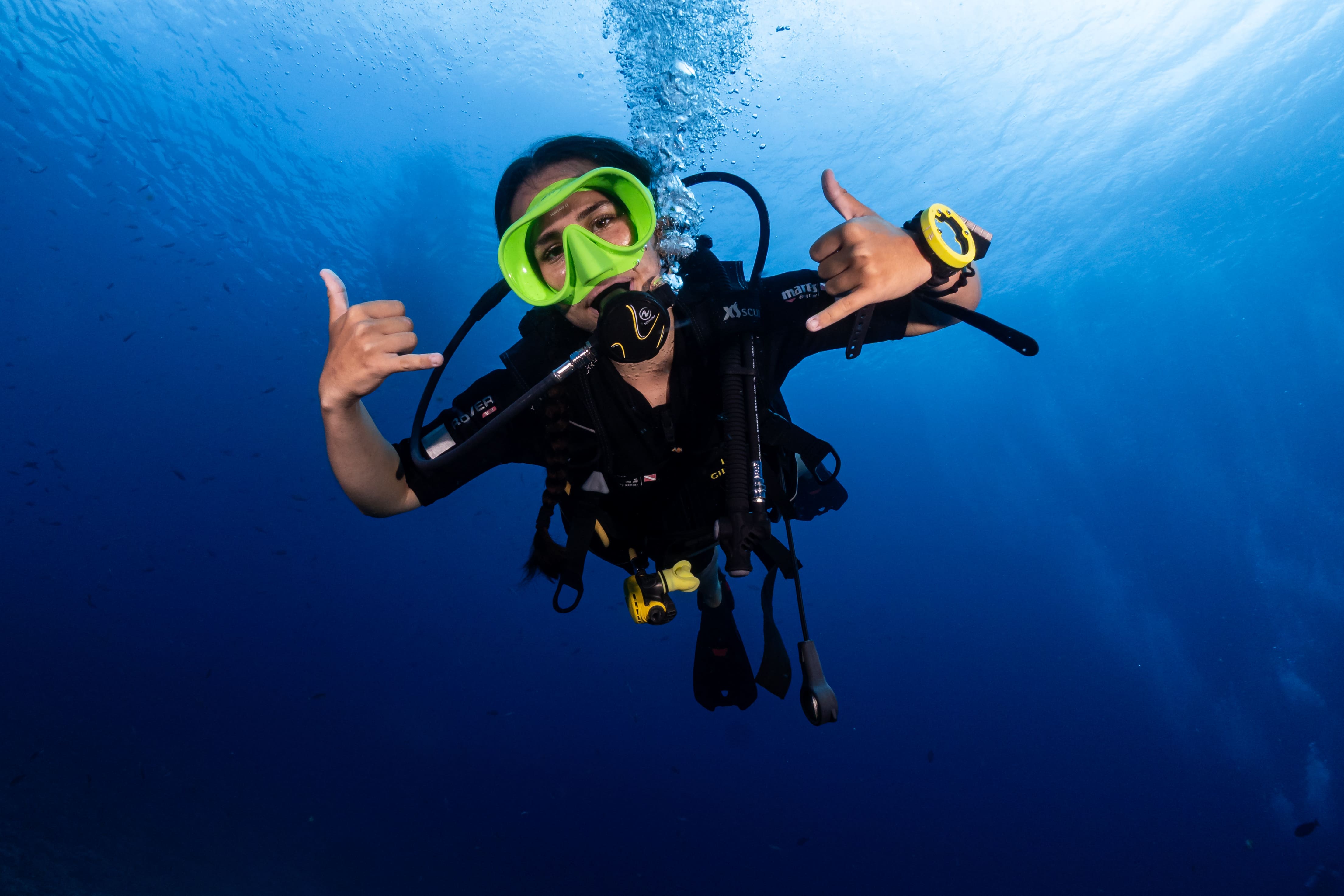
Best dive spots in Gili Trawangan: A complete guide for every level
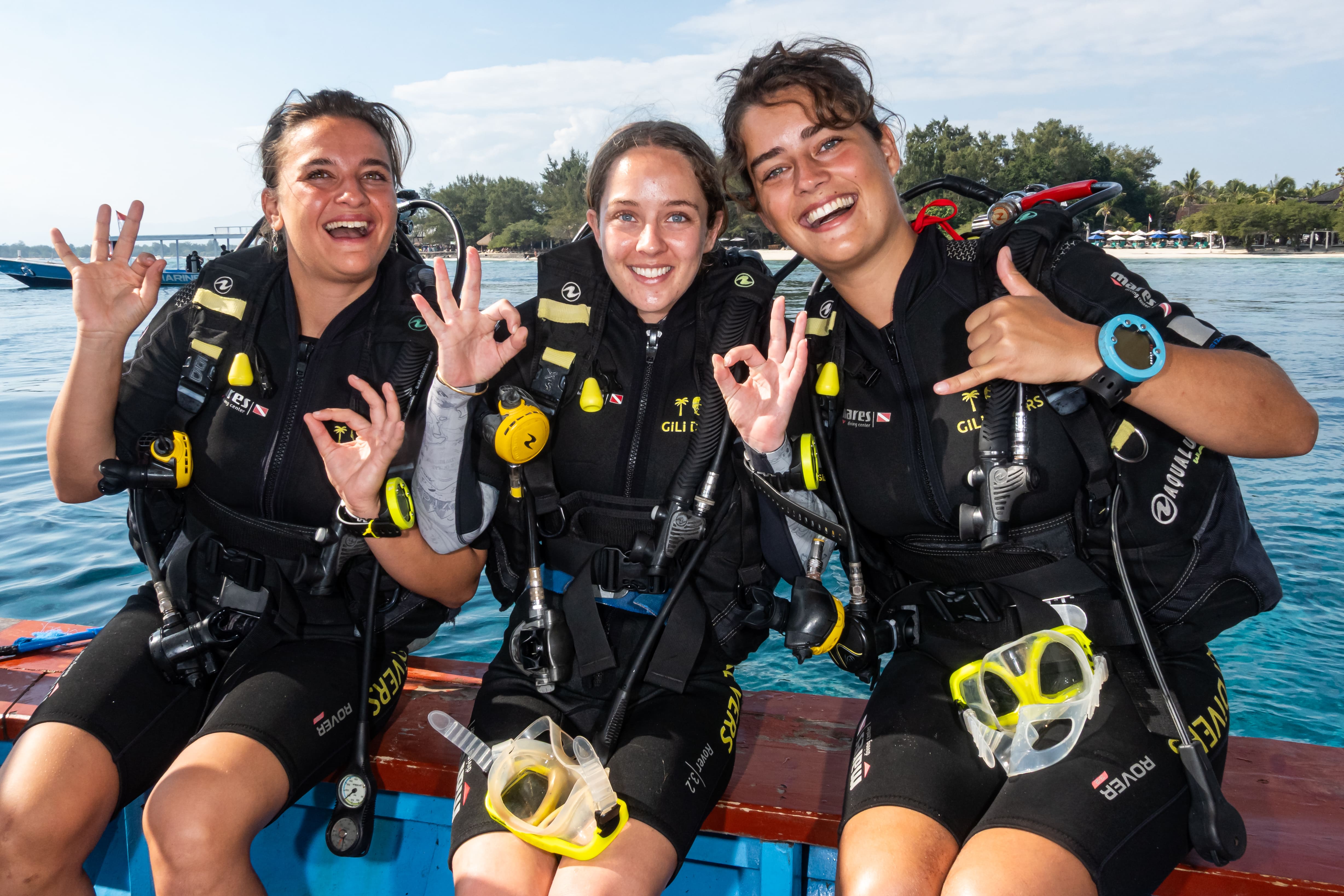
Gili Trawangan, the largest of Indonesia's three Gili Islands, is one of Southeast Asia's most rewarding diving destinations. Warm water, healthy coral gardens, and a genuine chance of swimming alongside green turtles make it a favorite for both first-time divers and experienced explorers chasing bigger marine life like reef sharks and, seasonally, manta rays.
Whether you're training for your first SSI certification or you're a logged diver looking for your next dive site, here's a local breakdown of the best spots around Gili Trawangan, and what to expect at each one.
Why dive in Gili Trawangan?
The island sits within the Gili Matra Marine Recovery Area (https://gilimatrabersama.org/), a protected zone shared with its neighbours Gili Meno and Gili Air. Years of coral restoration projects, including artificial reef structures known locally as "biorock," have helped rebuild reef systems that were damaged by past bleaching events and destructive fishing. The result is a diving environment that keeps improving year after year, with visibility typically ranging from 15 to 30 meters depending on the season.
Water temperatures stay comfortable between 27°C and 30°C nearly year-round, and most dive sites sit at depths between 5 and 30 meters, making the area accessible to newly certified divers while still offering enough depth and current to keep advanced divers engaged.
The best dive sites around Gili Trawangan
1. Shark Point
As the name suggests, Shark Point is one of the more reliable places around the Gilis to spot white-tip reef sharks resting on the sandy bottom or tucked under coral ledges. The site sits at a moderate depth of around 18 to 24 meters, with a sloping reef and scattered coral bommies. It's a great option for divers who already hold an Open Water certification and want to build confidence with slightly deeper dives.
Depth: 18–24m | Level: Open Water and above | Highlights: White-tip reef sharks, sea turtles, occasional eagle rays
2. Deep Turbo
A short boat ride from the island, Deep Turbo is known for its dramatic underwater topography, including a canyon-like structure that channels a light-to-moderate current across the reef. This current draws in bigger pelagic life and keeps the coral exceptionally healthy and colorful. It's one of the more advanced sites in the area and works well for divers training toward an SSI Advanced Adventurer certification.
Depth: 18–30m | Level: Advanced | Highlights: Strong coral cover, occasional bumphead parrotfish schools, current diving practice
3. Turtle Heaven and Turtle Point
These two neighboring sites are, unsurprisingly, some of the most consistent places in the Gilis to encounter green sea turtles feeding on the seagrass and soft corals along the slope. The gentle terrain and shallower average depth make this an ideal site for newly certified divers, or for an SSI Try Scuba experience for those diving for the first time.
Depth: 5–18m | Level: All levels, including beginners | Highlights: Green sea turtles, reef fish, calm conditions
4. Manta Point (Seasonal)
Between January and March, changing currents occasionally bring manta rays into the channel between Gili Trawangan and Gili Meno. Sightings aren't guaranteed on any single dive, but during peak season, local dive centers track conditions daily and know when the odds are highest. This site requires comfort with current and is best suited to divers with some logged dives already.
Depth: 12–20m | Level: Intermediate and above | Highlights: Seasonal manta rays, drift diving
5. Air Wall
Sitting closer to neighboring Gili Air, this site features a gently sloping wall covered in soft corals and sponges, with plenty of smaller marine life for divers who enjoy macro photography — think nudibranchs, ghost pipefish, and frogfish hiding in the reef structure. It's a relaxed, low-current dive that works well as a second dive of the day.
Depth: 10–20m | Level: Open Water and above | Highlights: Macro life, soft coral wall, relaxed pace
Diving in Gili Trawangan as a beginner
If you're new to diving, Gili Trawangan is genuinely one of the more forgiving places to start. Warm, clear, shallow water around sites like Turtle Heaven means new divers can build confidence quickly, often seeing turtles and colourful creatures reef fish on their very first dive. Most dive centres on the island, including ours, are SSI-affiliated, which means training follows an internationally recognised standard and certifications are accepted at dive centers worldwide.
An SSI Open Water Diver course typically takes 3 to 4 days and combines e-learning, confined water sessions, and open water dives directly on the reefs described above, so your training dives double as your first real exploration of the island's marine life.
Best time of year to dive Gili Trawangan
- April to November (dry season): Generally the best overall visibility and calmer seas.
- December to March (wet season): Warmer water and a higher chance of manta ray encounters, though visibility can vary with rainfall.
Currents shift with the tides throughout the day, which is why local dive guides plan dive sites and timing around the day's tide charts rather than diving the same site at the same time every day.
Plan your dives with a local SSI center
Every site above has its own current pattern, entry point, and ideal conditions, which is exactly why diving with a local, SSI-certified dive center matters. Our instructors dive these reefs daily, track seasonal changes like manta activity, and match each day's dive plan to your certification level and comfort in the water.
Whether you're booking your first Try Scuba dive, working toward your SSI Open Water certification, or arriving as a certified diver looking for the best sites of the week, get in touch and we'll build a dive plan around what you want to see.