Diving and mindfulness: how the ocean calms your mind
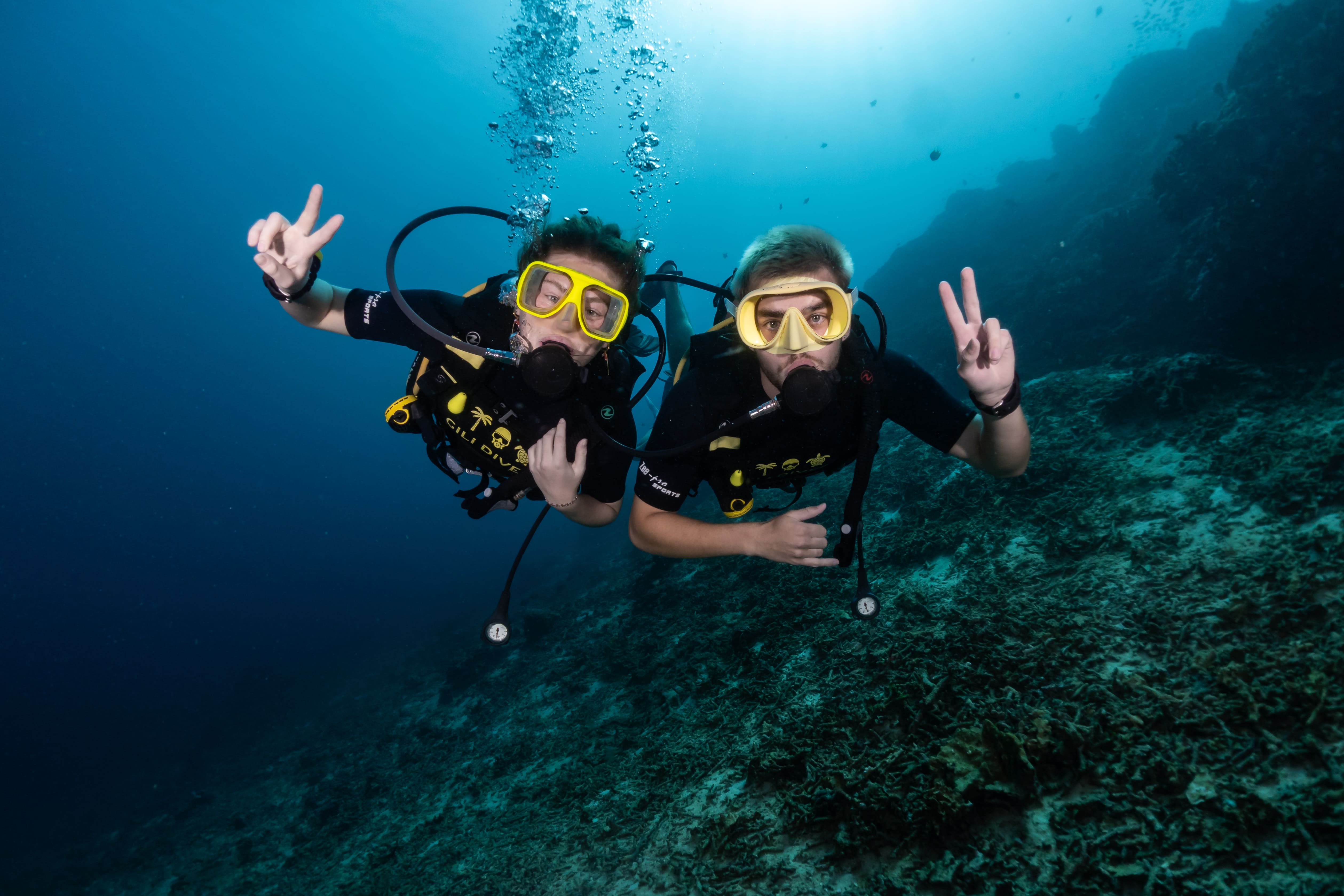
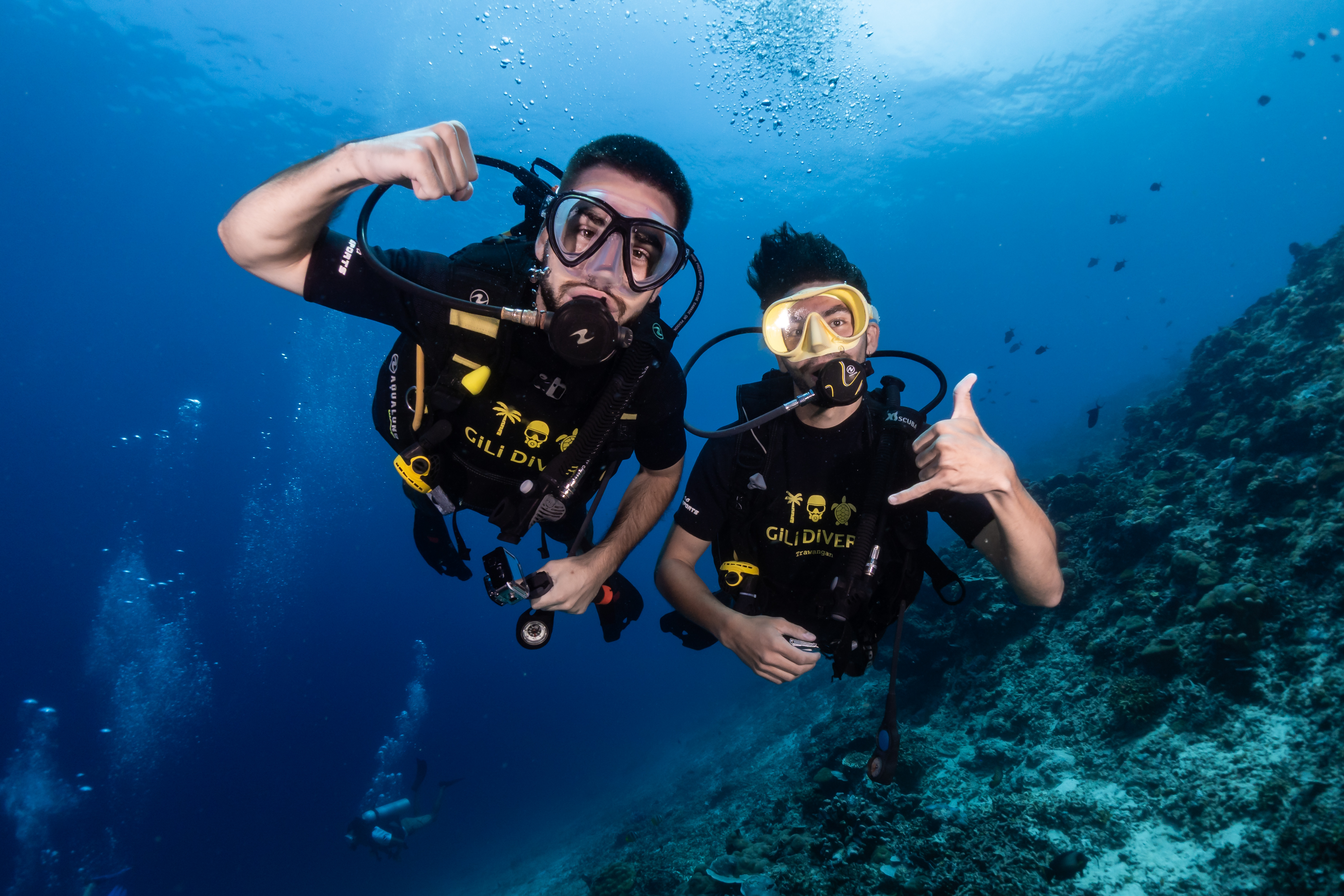
In a world that moves too fast, true calm has become rare. Notifications, deadlines, constant noise, and endless scrolling leave little space for stillness. More and more travellers are searching not just for adventure, but for experiences that help them slow down, reconnect, and breathe again. Scuba diving offers exactly that — often in ways people don’t expect. Beyond coral reefs and marine life, diving is one of the most powerful mindfulness experiences you can have. The ocean has a unique ability to quiet the mind, slow the breath, and bring you fully into the present moment. For many divers, the water becomes a place of clarity, calm, and mental reset. This is why diving and mindfulness are so deeply connected — and why destinations like the Gili Islands are increasingly seen as sanctuaries for both body and mind.
What is mindfulness, and why it’s so hard to find on land
Mindfulness is the practice of being fully present in the moment, without judgment or distraction. In theory, it sounds simple. In practice, it’s incredibly difficult. On land, the mind is constantly pulled in multiple directions. Even during moments meant for relaxation, thoughts drift to what comes next, what went wrong, or what still needs to be done. Silence is rare, and stillness even rarer. Underwater, everything changes.
The moment you descend, the outside world disappears. There are no phones, no conversations, no background noise. The ocean demands your attention — not through stress, but through presence. You must focus on your breathing, your movement, and your surroundings. There is no room for multitasking, and no benefit in rushing.
This forced presence is the foundation of mindful diving.
The breath: why scuba diving naturally slows the mind
One of the core principles of mindfulness is breath awareness. Coincidentally, breathing is also the most important skill in scuba diving.Underwater, every breath is audible. You hear it, feel it, and become aware of its rhythm. Fast or shallow breathing immediately affects buoyancy and air consumption, so divers quickly learn to slow down. Long, controlled inhalations and relaxed exhalations become second nature. This breathing pattern mirrors techniques used in meditation, yoga, and stress reduction practices. As your breathing slows, your heart rate follows. Muscles relax. Thoughts quiet down.
Many divers describe the sensation as entering a meditative state — not because they try to, but because the environment naturally guides them there.
Why the ocean has a unique calming effect on the brain
Scientists often refer to the ocean as a “blue space,” a natural environment proven to reduce stress and anxiety. Being near water lowers cortisol levels, improves mood, and enhances overall well-being. Being in the water amplifies these effects. Underwater, gravity loosens its grip. Movements become slower and more deliberate. Sound is muted. Visual stimulation is gentle and continuous rather than sharp and aggressive. Fish glide instead of rush. Corals sway instead of vibrate. This sensory environment signals safety to the brain. The nervous system shifts out of fight-or-flight mode and into a calmer, more balanced state. For people who struggle with anxiety, overthinking, or burnout, this shift can feel profound. It’s not uncommon for first-time divers to surface and say they feel lighter — mentally as much as physically.
Diving as a moving meditation
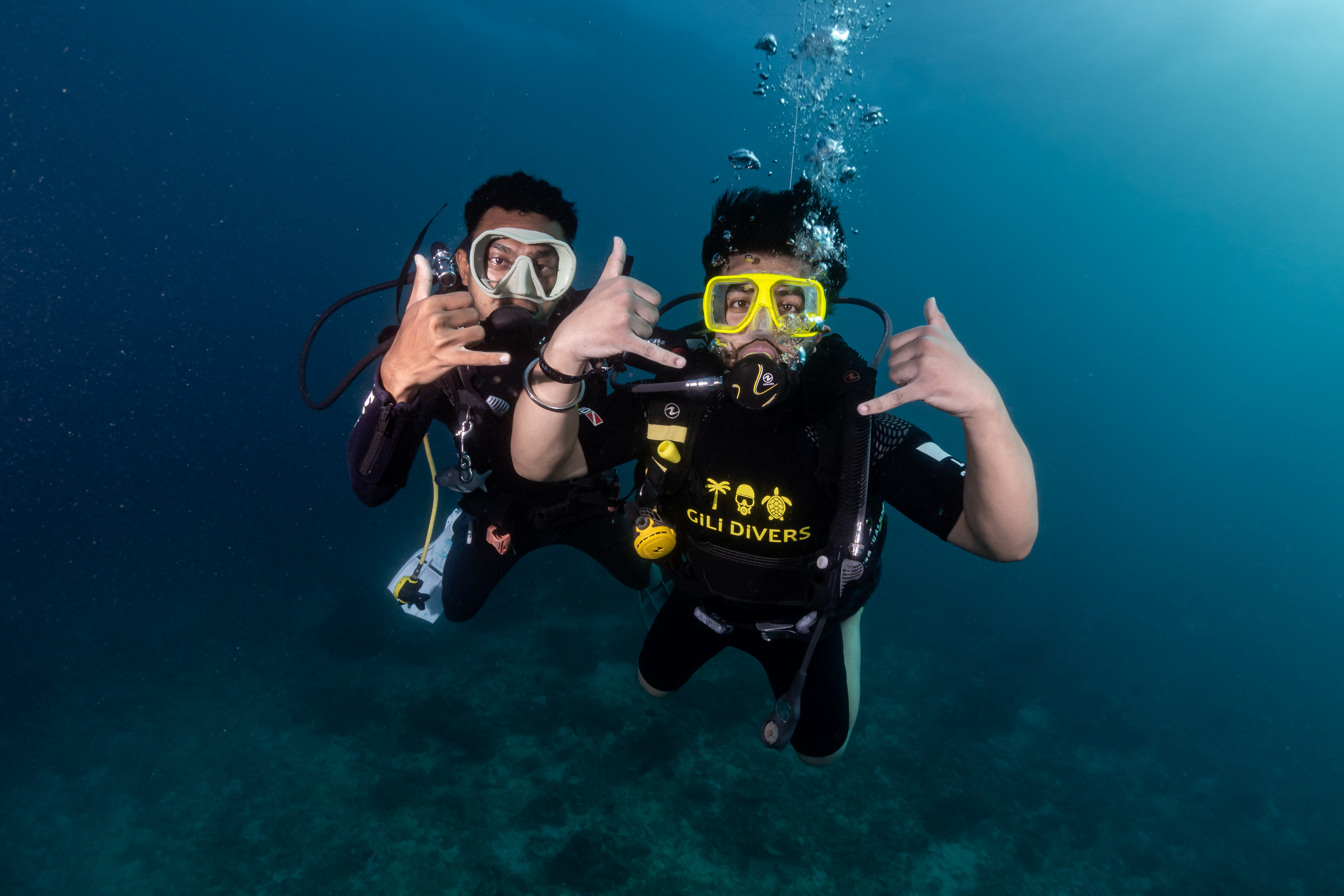
Unlike traditional meditation, scuba diving does not require you to sit still or clear your mind completely. Instead, it offers what many people find easier: a moving meditation. Your awareness flows naturally between breathing, buoyancy, and surroundings. Thoughts that don’t serve the moment fade away, not because you push them out, but because they lose relevance underwater. There is nothing to analyse, nothing to plan, and nothing to fix. This is especially powerful for people who find seated meditation challenging. Diving gives the mind a gentle anchor — the present moment — without effort.
Why beginners often feel this calm the most
Interestingly, beginner divers often experience the strongest mindfulness effect. Everything is new, so attention is naturally focused. There is no autopilot yet, no routine to fall back on. Each movement requires awareness, each breath intention. This is one of the reasons discover scuba diving and early open water dives are often described as emotional or transformative experiences.
If you’re curious about how a first dive unfolds in a supportive, beginner-friendly environment, you can explore this in detail here: 👉 What happens during your first dive lesson at Gili Divers
The Gili Islands: a natural setting for mindful diving
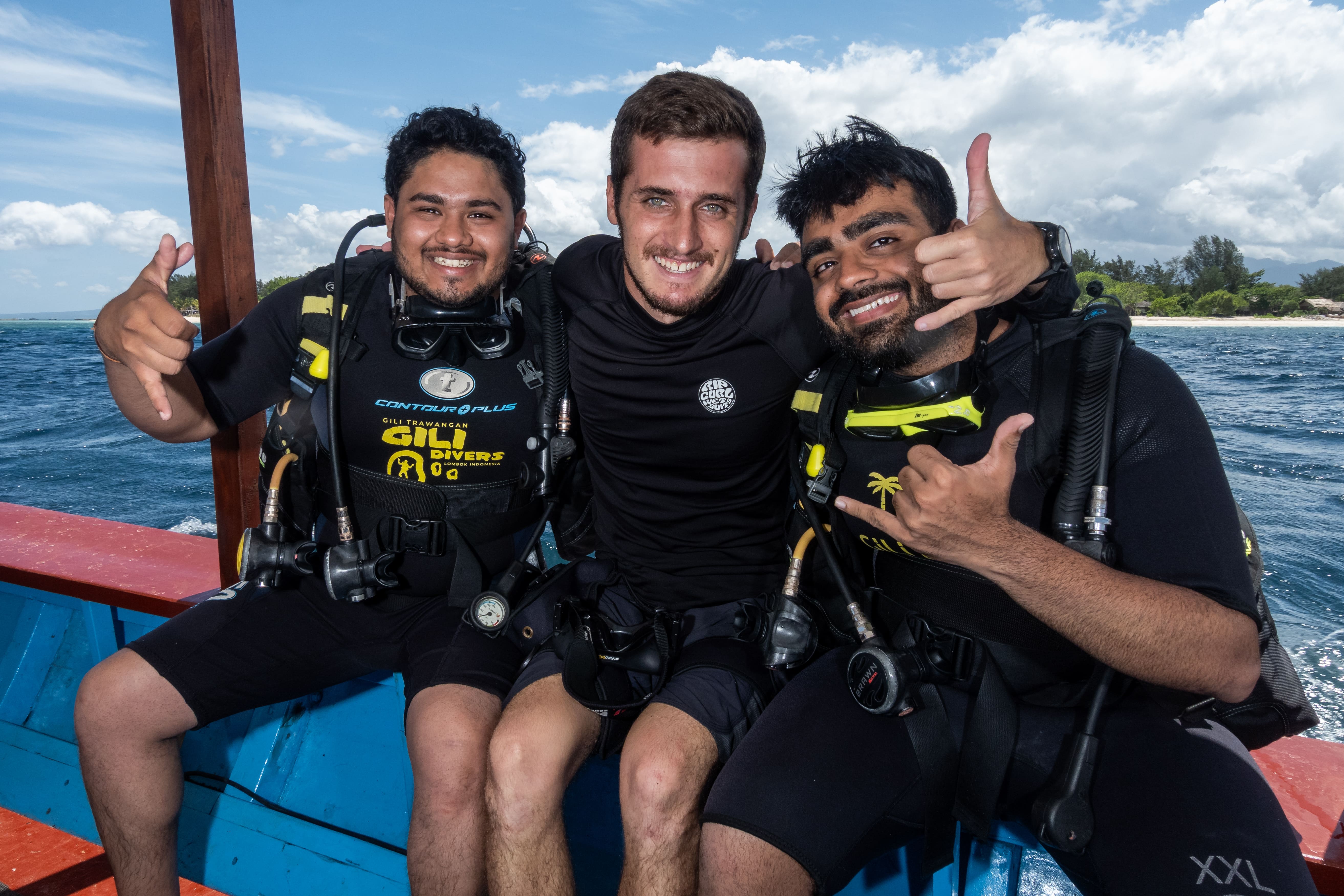
Environment matters when it comes to mindfulness, and few places offer the right conditions as consistently as the gili islands. Warm water, good visibility, gentle currents, and shallow reefs remove many stress factors that can distract the mind. Short boat rides reduce fatigue. The absence of cars and traffic on the islands creates a sense of calm even before you enter the water. On Gili Trawangan, diving becomes part of a slower rhythm of life. Mornings begin with the ocean, afternoons with rest, and evenings with sunsets rather than schedules. This lifestyle supports the mental benefits of diving, allowing the calm you feel underwater to extend into the rest of your day.
For a deeper look at why this environment is ideal for learning and mindfulness: 👉 Why Gili Trawangan Is Perfect to Learn Scuba Diving
Letting go of control, a key mental shift underwater
One of the most powerful psychological lessons scuba diving teaches is the art of letting go. On land, we try to control everything. Underwater, control comes not from force, but from cooperation with the environment. You don’t fight the water. You adapt to it. You don’t rush forward. You float. You don’t dominate the space. You move through it gently. This shift is subtle but profound. Many divers find that lessons learned underwater — patience, acceptance, presence — begin to influence how they respond to stress on land.
Diving, anxiety, and mental reset
For people dealing with anxiety, diving can feel intimidating at first. Yet, when done in calm conditions with patient instructors, it often becomes a tool for confidence-building rather than fear. Learning to regulate breathing, communicate non-verbally, and stay calm in a new environment creates a sense of inner stability. Many divers report that once they learn to manage stress underwater, everyday anxieties feel more manageable as well.
If fear or nervousness resonates with you, this guide goes deeper into the subject: 👉 Overcoming fear underwater: Discover Scuba tips
Why mindful diving is not about performance
Mindfulness in diving is not about depth, duration, or technical achievement. It’s about experience. The most calming dives are often the simplest ones: shallow reefs, slow movement, long bottom times, and minimal tasks. This is why newly certified divers logging their first experiences often feel a stronger sense of peace than those chasing advanced challenges.
If you’re at the stage of building experience after certification, approaching your early dives with awareness rather than ambition makes a huge difference:
👉 How to log your first 20 dives in Gili Trawangan
Extending the calm beyond the dive
One of the most beautiful aspects of mindful diving is how it lingers. The calm you feel underwater often follows you back to the surface. Sounds feel softer. Movements slower. Thoughts less urgent. In destinations like the Gili Islands, this transition feels natural. There is space to sit quietly, reflect, and integrate the experience rather than rushing back into noise. Over time, divers often begin to associate the ocean with mental clarity. The water becomes not just a place to explore, but a place to reset.
A different kind of travel experience
Mindful travel is about depth, not distance. Diving offers a way to connect deeply with a place without consuming it. You don’t rush through landscapes — you become part of one. This is why scuba diving fits so well into a more conscious, intentional way of traveling. It encourages respect, patience, and awareness — values that align closely with mindfulness.
When the mind follows the breath
Scuba diving doesn’t promise enlightenment, and it doesn’t replace therapy or meditation. But it offers something rare: a natural doorway into presence. Through breathing, movement, and immersion, the ocean gently pulls you out of your thoughts and into the moment. In a world full of noise, that quiet can be deeply healing. If you’re seeking more than just a holiday, if you’re looking for an experience that leaves you calmer, clearer, and more connected — diving might be exactly what your mind needs.
Ready to experience mindful diving for yourself?
If you’re curious to explore scuba diving in a calm, beginner-friendly environment where mental well-being matters as much as technique, the team at Gili Divers is here to guide you.
🌊 Warm water, gentle conditions, and patient instructors
🤿 Discover Scuba Diving and Open Water courses available
📩 Contact gili divers today and experience how the ocean can calm your mind